
Ambient Chamber Planning: Session Timing, Frequency, and Recovery Support
Specialized ambient pressure technology has become a major topic in lifestyle recovery, wellness engineering, athletic performance, and home wellness planning. While many people search for aggressive biohacking routines, the safer and more accurate way to understand these systems is as a structured, atmosphere-managed wellness routine that should be approached carefully, consistently, and with professional guidance.
This guide explains how ambient chamber sessions are commonly structured, how session timing is typically planned, what equipment styles to compare, and how to build a responsible home recovery routine without relying on exaggerated medical claims.
Important Disclaimer: This article is for educational purposes only and does not provide medical advice, diagnosis, or treatment. Ambient pressure systems should be discussed with a qualified professional, especially if you have an underlying health condition, are pregnant, or are evaluating specific hardware parameters. Wellari products are intended strictly for general wellness and lifestyle relaxation purposes; they are not intended to diagnose, treat, cure, or prevent any disease.
What Are Pressurized Wellness Sessions?
Pressurized wellness sessions involve spending dedicated relaxation time inside an engineered structural chamber while breathing refreshed, oxygen-rich airflow managed by the system's integrated equipment. The managed increase in atmospheric pressure changes how ambient air is delivered and experienced during rest.
In clinical healthcare environments, high-pressure medical systems are operated under strict supervision for specific approved therapeutic indications. In contrast, premium home wellness environments typically position lifestyle chambers as part of broader recovery routines focused on relaxation, post-activity conditioning, and healthy lifestyle support.
Explore Wellari’s Hyperbaric Chambers page to compare available chamber styles.
Why Ambient Chamber Routines Matter
Optimizing your recovery setup is not just about sitting in a chamber one time. Most successful home routines are built around consistency, session duration, pressure level settings, user comfort, and specific lifestyle goals. A thoughtful ambient pressure schedule helps users understand how often sessions may be utilized, how long sessions typically last, and how the chamber fits into a larger wellness plan.
Common session planning considerations include:
- Session length parameters
- Weekly session frequency
- Chamber structural pressure capability
- User comfort during air equalization
- General physical conditioning goals
- Consistency over long periods of time
What About Chamber Routines and Stem Cell Support?
Some laboratory research has explored how pressure environments, oxygen availability, and cellular signaling may relate to natural repair pathways in the body. However, retail wellness content should strictly avoid promising stem cell activation, tissue regeneration, disease reversal, or anti-aging outcomes.
A safer, compliant way to frame this topic is that pressurized oxygen environments are being studied for how managed atmospheric conditions may influence physical recovery and systemic wellness support. Individual results vary, and any clinical applications should be guided exclusively by qualified professionals.
For a broader educational overview, read Wellari’s related guide: Pressure-Managed Chamber Technical Guide.
Typical Chamber Session Lengths
Session lengths can vary depending on the chamber engineering, target pressure level, user comfort, and manufacturer recommendations. Many lifestyle sessions are commonly structured around a steady time block that allows for initial pressurization, rest time at peak setting, and gradual depressurization.
General session timing categories include:
- Introductory wellness sessions: approximately 45–60 minutes
- Standard recovery sessions: approximately 60–90 minutes
- Advanced lifestyle sessions: up to 90–120 minutes depending on equipment configuration and manufacturer guidance
Users should always follow their specific chamber manufacturer’s operating manual and seek expert advice when using equipment for health-specific reasons.
Common Frequency Schedules
There is no universal schedule that applies to everyone. Routine frequency depends on personal goals, chamber model, broader fitness routine, comfort level, and professional guidance.
General Wellness Routine
Many home users choose a few comfortable sessions per week as part of a broader lifestyle recovery and relaxation routine.
Athletic Recovery Routine
Athletes may integrate chamber sessions alongside sleep optimization, targeted nutrition, mobility work, cold therapy, compression, and red light therapy to support daily performance habits.
For home-use planning and safety considerations, see Wellari’s guide: HBOT Frequency: Your Essential Guide to How Often to Use a Hyperbaric Chamber.
Hard-Shell vs. Soft-Shell Hyperbaric Chambers
One of the biggest decisions when customizing a home recovery room is choosing between a hard-shell or soft-shell chamber format.
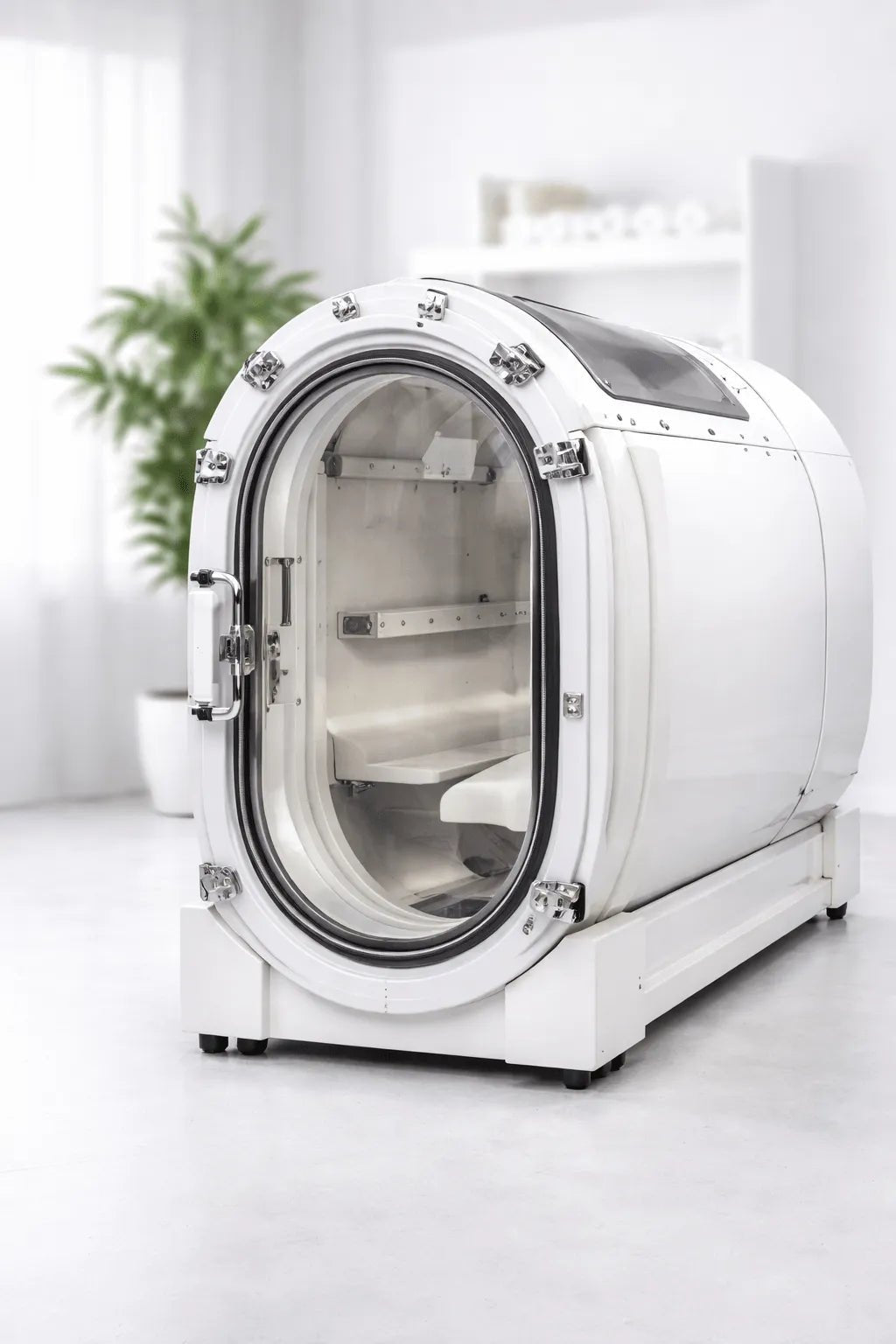
Hard-shell chambers are rigid, highly durable systems often selected for premium home wellness suites, professional athletic facilities, and commercial recovery centers. They offer a substantial physical structure and support robust configurations depending on the exact model.
Soft-shell chambers offer increased layout flexibility and portability. They are often chosen by residential users who want an accessible, comfortable system that can be integrated into a standard home layout.
Shop Wellari’s Hard-Shell Hyperbaric Chamber Collection.
Shop Wellari’s Soft-Shell Hyperbaric Chamber Collection.
Featured Chamber Layout Options at Wellari
CY8 Lying Portable Hyperbaric Chamber
The CY8 Lying Portable Hyperbaric Chamber is an advanced soft-shell option optimized for users who prefer a spacious lying format within a flexible home wellness footprint.
CY9 Sitting Portable Hyperbaric Chamber
The CY9 Sitting Portable Hyperbaric Chamber is engineered for users who prefer an upright, seated relaxation position during their wellness sessions.
CY11 / CY12 Sitting and Lying Portable Hyperbaric Chamber
The CY11 / CY12 Sitting and Lying Portable Hyperbaric Chamber offers a premium convertible configuration, allowing users to alternate seamlessly between sitting and lying formats.
How to Build a Responsible Wellness Routine
A reliable home recovery routine should be simple, repeatable, and built around safety parameters. Instead of chasing extreme pressure ranges or unrealistic internet claims, focus on consistency, user comfort, and recovery quality.
- Start with a clear, realistic lifestyle goal.
- Choose a chamber format that matches your spatial layout and use case.
- Review all manufacturer instructions before initial use.
- Consult with a qualified professional before beginning if you manage health variables.
- Track daily energy and physical comfort before and after sessions.
- Prioritize sleep hygiene, hydration, and nutrition alongside your sessions.
Combining Modalities Within Your Recovery Room
Many premium home spaces and professional training facilities combine ambient pressure setups with other physical recovery technologies.
Common performance pairings include:
- Cold plunge circuits
- Full-spectrum infrared saunas
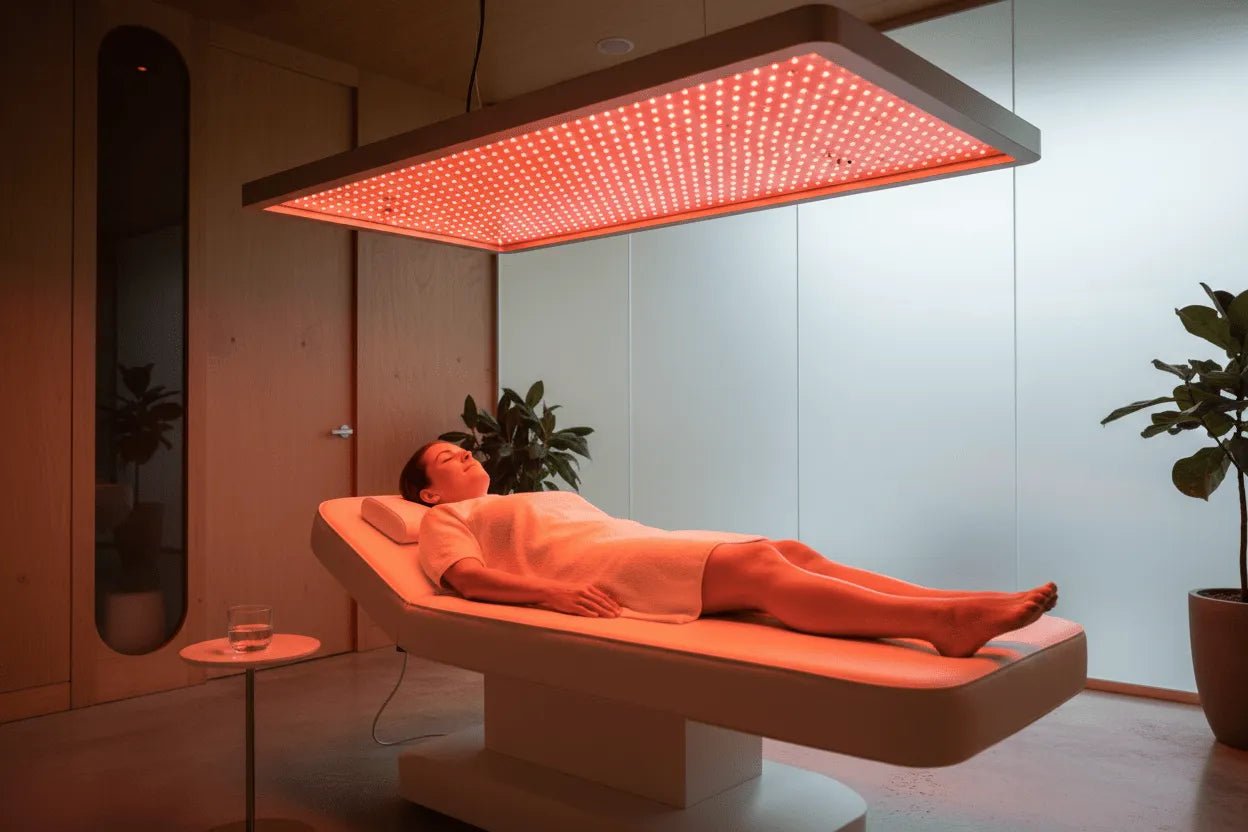
- Targeted red light panels
- Pneumatic compression sleeves
- Active mobility and stretching routines
Explore complementary Wellari categories:
Chamber Safety Considerations
Engineered wellness chambers involve managed air pressure, electrical connections, and dedicated airflow equipment. Operational safety must always serve as the foundation of your space.
- Strictly follow all printed manufacturer instructions and electrical requirements.
- Keep prohibited materials, unapproved heat sources, and restricted electronic items out of the chamber interior.
- Use only verified, brand-authorized accessories and companion components.
- Do not attempt to use lifestyle wellness equipment as a substitute for prescribed medical care.
- Discontinue any session immediately and seek expert guidance if you experience unexpected ear pressure issues, sinus discomfort, or unusual symptoms.
FAQ: Session Scheduling and Chamber Planning
What is a typical chamber scheduling routine?
A standard lifestyle routine involves repeated, comfortable sessions over time, with each individual session often lasting approximately 60–90 minutes. The ideal layout depends on your chamber type, target pressure level, and personal comfort preferences.
How many wellness sessions are typically recommended?
There is no universal number. Many fitness enthusiasts incorporate chamber sessions 2 to 4 times per week into active recovery schedules, focusing on long-term consistency.
Can pressurized chambers support stem cell activity?
While environmental shifts and atmospheric pressure variations are studied in laboratory environments for their impact on biological pathways, consumer wellness content should never promise stem cell outcomes. Chambers are best understood as an advanced lifestyle tool for physical conditioning and relaxation.
Is a hard-shell chamber better than a soft-shell chamber?
Hard-shell units offer rigid structural frames engineered for high-use environments or premium design preferences. Soft-shell units provide a more flexible, space-saving format for residential use. The best option depends on your layout, budget, and intended use.
Can I safely set up a wellness chamber at home?
Many consumer models are engineered specifically for residential settings. Home users must follow electrical grounding guidelines, keep prohibited items out of the chamber, and operate the hardware according to manufacturer safety rules.
How long does a standard session last?
Most home sessions last between 60 and 120 minutes, including gradual pressure stabilization phases at the beginning and end of the routine.
Sources
- Undersea & Hyperbaric Medical Society: HBO Indications
- U.S. Food & Drug Administration: Follow Instructions for Safe Use of Hyperbaric Oxygen Therapy Devices
- Cleveland Clinic: Hyperbaric Oxygen Therapy Overview
- Johns Hopkins Medicine: Hyperbaric Oxygen Therapy
Final Takeaway
The best recovery routine is not the most extreme or aggressive one. It is the one that is safe, consistent, comfortable, and tailored to your lifestyle goals. For home users, proper model selection, session comfort, safety practices, and long-term consistency matter more than chasing unapproved clinical claims.
Browse Wellari’s Hyperbaric Chambers page to compare premium hard-shell and soft-shell options for your home or professional wellness space.
Written by Karen Ripley