
Infrared Saunas Explained: The Science, Proven Benefits, and How Infrared Heat Supports Modern Wellness
Introduction: Unveiling the Science Behind Infrared Saunas
The pursuit of better health and long-term vitality has pushed many people to explore therapies that are both evidence-informed and practical to use consistently. Among the fastest-growing wellness tools today are infrared saunas—heat therapy systems designed to deliver deep, penetrating warmth with a different physiological experience than traditional saunas.
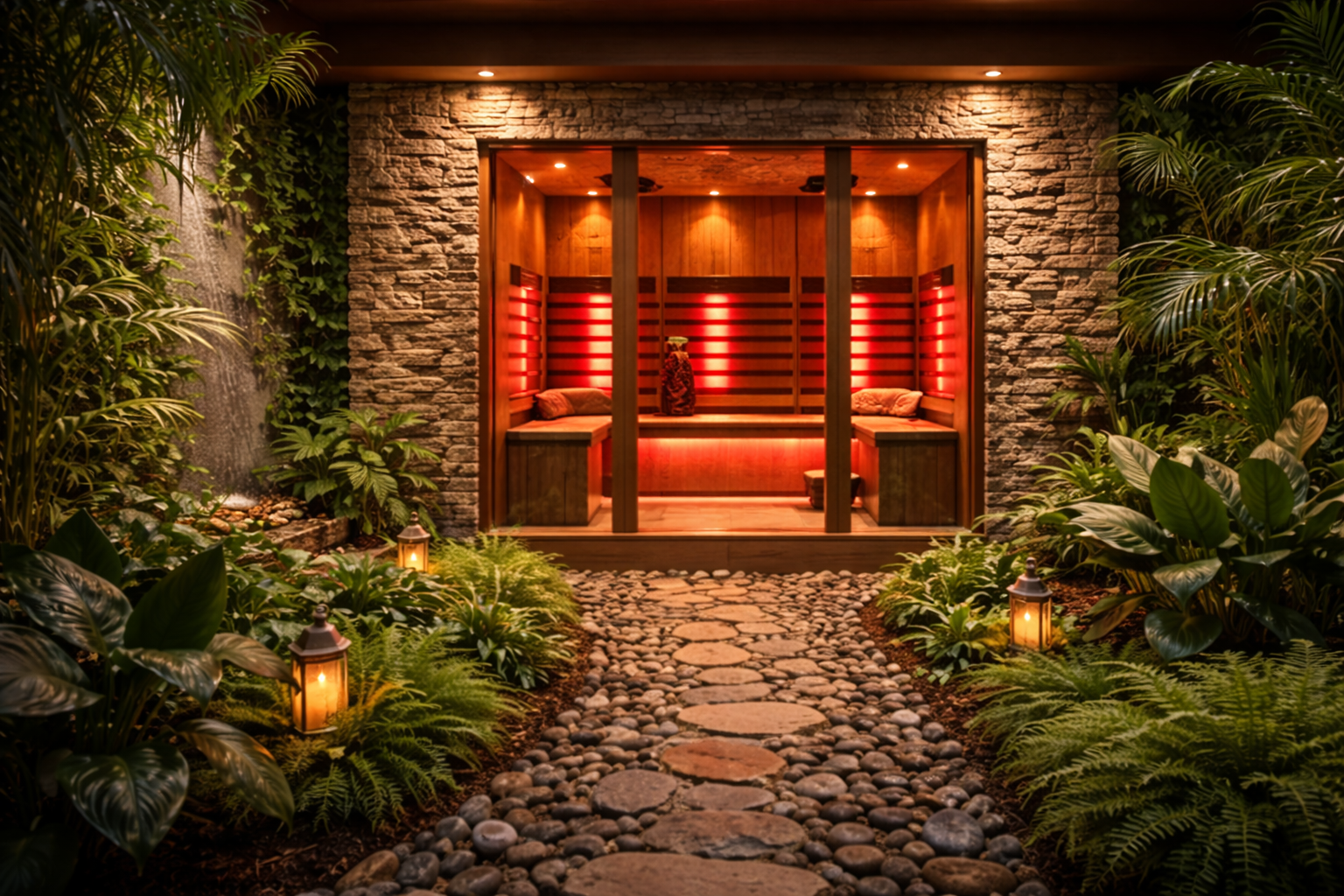
Unlike conventional dry or steam saunas, infrared saunas use radiant heat to warm the body more directly, not just the surrounding air. That difference can change comfort, session tolerability, and how the body responds to heat stress.
This guide explains what infrared saunas are, how they work, what research commonly supports, and how to use them intelligently as part of a modern wellness routine.
The Growing Popularity of Infrared Sauna Therapy
Infrared saunas have moved from niche spa installations into homes, gyms, and recovery centers worldwide. Their rise is often driven by:
- Lower operating temperatures than many traditional saunas
- Shorter warm-up times and easier at-home installation (varies by model)
- Growing interest in sauna-style heat exposure for recovery and lifestyle wellness
Today, infrared saunas are widely used by athletes, longevity enthusiasts, and individuals focused on stress management, comfort, and circulation-friendly routines.
Shop infrared sauna systems:
Explore Infrared Saunas at Wellari Wellness
Our Promise: Evidence Over Hype
This article focuses on physiology and realistic expectations—not exaggerated “instant results” claims. You’ll learn:
- How infrared heat interacts with the body
- Which benefits are commonly supported by research
- Where expectations should remain conservative
- How infrared saunas differ from traditional saunas
What Is an Infrared Sauna?
The Key Difference from Traditional Saunas
Traditional saunas heat the air to higher temperatures (often ~150–195°F), relying primarily on convection to warm the body. Infrared saunas work differently by using radiant energy that can feel effective at lower ambient temperatures—commonly around 120–150°F depending on the unit and preference.
This style of heating may allow some users to stay comfortable for longer sessions and build a consistent routine.
Understanding Infrared Heat: Near, Mid, and Far Infrared
Infrared light exists on the electromagnetic spectrum just beyond visible light. Wellness-focused infrared saunas often use one or more of these ranges:
Near-Infrared (NIR)
- Often used for deeper-feeling, targeted warmth
- Commonly discussed in relation to cellular energy support (photobiomodulation contexts vary by device)
- Frequently included in “full spectrum” sauna designs
Mid-Infrared (MIR)
- Often associated with soft-tissue comfort and muscle relaxation routines
- May feel more “penetrating” than surface heat for some users
Far-Infrared (FIR)
- Typically produces the classic deep warming + sweating experience
- Commonly used for relaxation and post-training heat sessions
Explore full-spectrum sauna options:
Shop Full Spectrum Infrared Saunas
How the Body Responds to Infrared Sauna Heat
Hormetic Stress & Heat-Shock Response
Infrared sauna use creates controlled heat stress—a classic example of hormesis (a small challenge that can encourage adaptive responses). Many people use sauna routines to support resilience, recovery rituals, and nervous system downshifting.
Circulation & Cardiovascular Conditioning
Heat exposure promotes vasodilation (widening of blood vessels), which increases blood flow. This may support:
- Oxygen and nutrient delivery
- Comfort and relaxation
- A mild cardiovascular “training-like” effect for some users
In multiple population studies, frequent sauna bathing has been associated with cardiovascular benefits. Association does not prove causation, but it’s one reason sauna use remains a popular lifestyle practice.
Sweating & Thermoregulation (Important Clarification)
Infrared saunas can induce a deep sweat response even at lower temperatures. Sweating primarily regulates body temperature.
Important: The liver and kidneys are the body’s primary detoxification organs. Sauna sweating should be viewed as a supportive wellness practice, not a replacement for medical care or healthy lifestyle fundamentals.
Evidence-Informed Benefits People Commonly Use Infrared Saunas For
Cardiovascular Support (Lifestyle)
Many users incorporate sauna routines to support cardiovascular-friendly habits alongside movement, hydration, and sleep consistency.
Comfort, Stiffness & Recovery Routines
Infrared heat is often used for muscle relaxation and post-training comfort. Many people report improved flexibility and reduced perceived tightness when used consistently.
Stress Reduction, Relaxation & Sleep Readiness
Heat exposure can promote a parasympathetic (“rest and digest”) shift, which may support relaxation and better sleep readiness for some users—especially when sessions are earlier in the evening and hydration is managed well.
Related Wellari read:
Sleep Optimization Unlocked: How Infrared, Oxygen & Light Tech Support Rest
Infrared Saunas vs. Traditional Saunas
Infrared Saunas
- Often lower ambient temperatures
- Radiant heat experience
- Many users find them easier to tolerate for longer sessions
- Popular for at-home routines
Traditional Saunas
- Higher air temperatures
- Often faster sweat onset
- Different sensory experience (steam/dry heat)
- Still widely used and beneficial as a lifestyle practice
Practical Infrared Sauna Usage Guidelines
Typical Session Parameters
- Duration: 20–45 minutes
- Frequency: 3–4 times per week (start lower and build)
- Temperature: ~120–150°F (varies by comfort and unit)
Best Practices
- Hydrate before and after sessions
- Start with shorter durations and gradually increase
- End the session if you feel dizzy, unwell, or overheated
- Pair with cooldown + light mobility for a smoother recovery ritual
Safety Considerations
Consult a qualified healthcare professional before sauna use if you have medical conditions—especially cardiovascular concerns—or if you are pregnant. Avoid dehydration, and discontinue use if discomfort occurs.
Integrating Infrared Saunas into a Wellness Stack
Infrared sauna routines pair well with:
- Cold exposure or cryotherapy (for contrast therapy routines)
- Light therapy
- Breathwork or meditation
- Strength and mobility training
Read:
The Ultimate Longevity Stack: Infrared + Cryotherapy + HBOT + Red Light
Related cold exposure read:
Browse more Buyer’s Guide articles (Cold/Heat/Light topics)
Conclusion: Infrared Saunas Through a Scientific Lens
Infrared saunas are a well-studied heat-based wellness tool grounded in basic physiology. Their ability to support relaxation, circulation, and recovery rituals makes them a strong addition to modern routines—especially when used consistently and responsibly.
The key is informed use: respect safety guidelines, stay hydrated, and integrate sauna sessions into a broader lifestyle approach (movement, nutrition, sleep, and stress management).
Helpful Next Steps
-
Explore Infrared Sauna Systems
Shop Infrared Saunas -
Infrared + Full Spectrum Options
Shop Full Spectrum Infrared Saunas -
Infrared Sauna in the Longevity Stack
Read the Longevity Stack Guide