
Red Light Therapy Before or After Cold Plunge? The Science of Sequencing for Recovery
Cold plunges and red light therapy are two of the most popular recovery tools for athletes, active adults, and home wellness users. Cold exposure creates a strong physical stress response, while red light therapy supports circulation-focused recovery and cellular wellness routines.
But one common question comes up often: should you use red light therapy before or after a cold plunge?
The best answer depends on your goal. If you are focused on muscle recovery, post-workout soreness, inflammation management, energy, stress support, or general wellness, sequencing can make a difference.
Quick Answer: Cold Plunge First, Then Red Light Therapy
For most recovery-focused users, the preferred sequence is:
- Cold plunge
- Wait 15–20 minutes for natural rewarming
- Red light therapy session
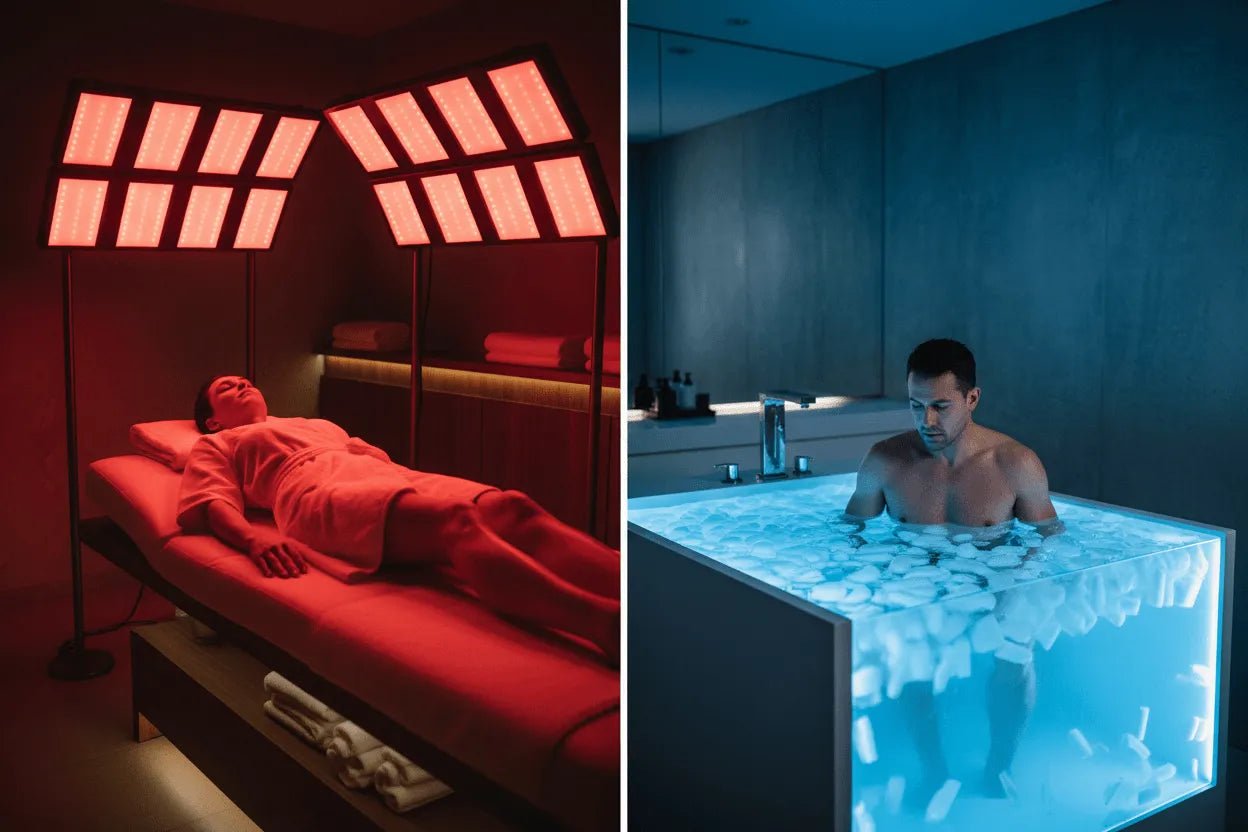
This approach allows the cold plunge to deliver its cold-stress response first, followed by red light therapy to support circulation, relaxation, and recovery.
Why Sequencing Matters
Cold plunges and red light therapy create very different responses in the body.
- Cold plunge therapy causes vasoconstriction, which temporarily narrows blood vessels.
- Red light therapy is commonly used to support circulation, cellular energy, and recovery routines.
- Cold exposure creates a hormetic stress response.
- Red light therapy is often used as a recovery and restoration tool.
Because these tools work differently, using them in the right order can help you build a smarter recovery routine.
Helpful outside resource: Cleveland Clinic — Hydrotherapy
How Cold Plunge Therapy Works
Cold water immersion exposes the body to controlled cold stress. When you enter a cold plunge, the body responds by narrowing blood vessels, increasing alertness, and activating the nervous system.
Many people use cold plunges to support:
- Post-workout recovery routines
- Mental resilience
- Alertness and focus
- Muscle soreness management
- Cold adaptation training
Cold plunges are especially popular after intense workouts, endurance training, sauna sessions, and high-stress days.
Explore Wellari Wellness cold plunge systems: Cold Plunge Tubs
How Red Light Therapy Works
Red light therapy, also known as photobiomodulation, uses specific red and near-infrared wavelengths to support recovery-focused wellness routines.
Many users include red light therapy for:
- Muscle recovery routines
- Skin wellness
- Circulation support
- Relaxation
- Full-body recovery setups
Red light therapy is also commonly discussed for mitochondrial wellness because red and near-infrared wavelengths may interact with cellular energy pathways.
Helpful outside resource: Cleveland Clinic — LED Light Therapy
Explore Wellari red light therapy solutions: Red Light Therapy Solutions
Option 1: Red Light Therapy Before Cold Plunge
Using red light therapy before a cold plunge may work well for people who want to prepare the body before cold exposure.
Potential Benefits
- May help support circulation before cold exposure
- May help loosen the body before entering cold water
- Can make the transition into cold feel easier for some users
- Works well for general wellness routines
Best For
- Beginners who find cold plunges difficult
- Morning wellness routines
- Relaxation-focused users
- People using cold exposure for mental resilience
Possible Drawback
Because red light therapy may support circulation, using it immediately before a cold plunge may slightly reduce the intensity of the cold-induced vasoconstriction response. For users focused on the strongest cold exposure effect, this may not be the ideal sequence.
Option 2: Cold Plunge Before Red Light Therapy
For recovery, the most common sequence is cold plunge first, then red light therapy after a short rewarming period.
Potential Benefits
- Lets the cold plunge create its full cold-stress response first
- Allows natural rewarming before red light therapy
- May support post-workout recovery routines
- Pairs well with athletic recovery and home wellness setups
Best For
- Post-workout recovery
- Endurance training recovery
- Cold plunge users who want a structured routine
- People combining cold therapy, sauna, and red light therapy
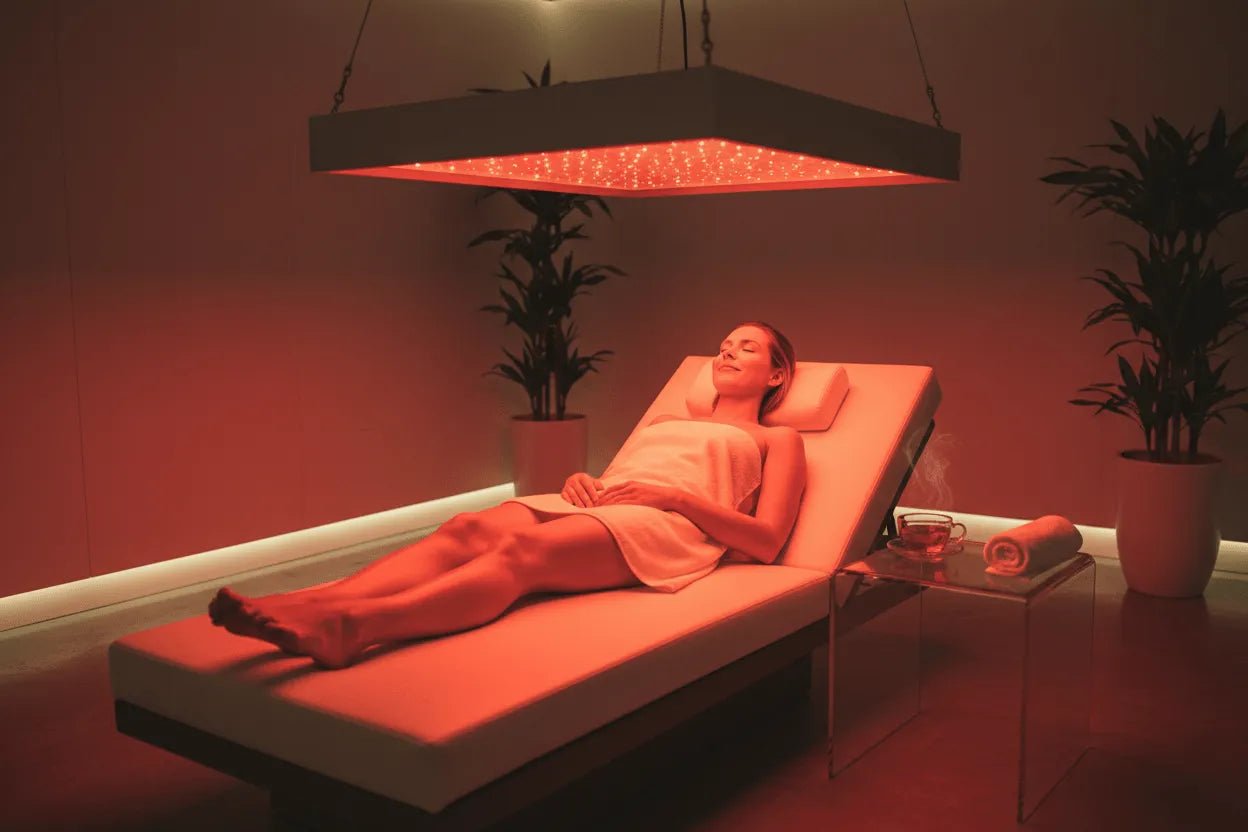
Explore a full-body red light therapy option: M6N Plus Red Light Therapy Bed
The 15–20 Minute Rewarming Window
Instead of stepping directly from cold water into red light therapy, many recovery-focused users wait approximately 15–20 minutes.
This short break allows the body to begin natural rewarming. It may also help preserve the cold plunge response before shifting into a more restorative red light therapy session.
A simple recovery sequence may look like this:
- Cold plunge for your normal session length
- Dry off and allow the body to rewarm naturally
- Wait 15–20 minutes
- Use red light therapy for 10–15 minutes
Best Protocol for Muscle Recovery
If your goal is muscle recovery after a workout, use this sequence:
- Finish workout
- Cold plunge
- Wait 15–20 minutes
- Red light therapy
- Hydrate and refuel
This approach is popular with users who want to combine cold exposure with circulation-focused recovery support.
Related Wellari reading: Cold Plunge vs. Cold Shower: Unpacking the Real Health Benefits
Best Protocol for Daily Wellness
If your goal is energy, mental clarity, and a consistent wellness routine, try this sequence:
- Morning cold plunge
- Light movement or stretching
- Red light therapy
- Hydration and breakfast
This works well for users who want a structured morning routine that supports energy, focus, and recovery habits.
Best Protocol for Sauna, Cold Plunge, and Red Light Therapy
Many home wellness rooms combine heat, cold, and red light therapy. A popular sequence is:
- Infrared sauna
- Cold plunge
- 15–20 minute recovery window
- Red light therapy
This “heat, cold, and light” routine is popular because each modality provides a different recovery experience.
Explore Wellari infrared saunas: Infrared Saunas
Explore Wellari recovery collections: All Wellness Collections
How Long Should Each Session Be?
Cold Plunge Timing
Cold plunge session length depends on your experience, water temperature, and tolerance. Beginners should start conservatively and increase gradually over time.
Red Light Therapy Timing
Many users begin with 5–8 minutes per area. Larger treatment areas may use 10–15 minutes depending on the device, distance, and manufacturer instructions.
Always follow the recommended usage instructions for your specific cold plunge and red light therapy device.
Choosing the Right Equipment
For the best recovery setup, choose equipment that fits your space, goals, and routine.
Cold Plunge Features to Consider
- Indoor or outdoor use
- Insulated construction
- Comfortable size and depth
- Chiller compatibility
- Easy drainage and cleaning
- Durable materials such as stainless steel, cedar, or reinforced PVC
Red Light Therapy Features to Consider
- Red and near-infrared wavelengths
- Clear irradiance information
- Appropriate treatment coverage area
- Low-EMF design
- Flicker-free performance
- Clear manufacturer instructions
Explore Wellari red light therapy panels: Red Light Panels
Safety Considerations
Cold plunges and red light therapy are not appropriate for everyone. Speak with a licensed healthcare professional before starting cold exposure or red light therapy if you have cardiovascular concerns, circulation problems, pregnancy, a medical condition, light sensitivity, or if you use photosensitizing medications.
Cold exposure can place stress on the cardiovascular system, especially for people with existing heart or circulation concerns. Start slowly, avoid extreme temperatures as a beginner, and never force yourself to stay in cold water beyond your comfort or safety level.
Helpful outside resource: Harvard Health — Cold Plunges: Healthy or Harmful for Your Heart?
Helpful outside resource: FDA — Laser Products and Light-Based Devices
FAQ: Red Light Therapy Before or After Cold Plunge
Is it better to use red light therapy before or after a cold plunge?
For recovery-focused users, cold plunge first followed by red light therapy after a 15–20 minute rewarming window is often preferred. For general wellness, either sequence may work depending on comfort and goals.
Can I do red light therapy immediately after a cold plunge?
You can, but many users prefer waiting 15–20 minutes so the body can begin natural rewarming before starting red light therapy.
Should I use red light therapy before a cold plunge?
Red light therapy before cold exposure may be helpful for beginners or wellness users who want to prepare the body before entering cold water.
Can I combine sauna, cold plunge, and red light therapy?
Yes. A common sequence is infrared sauna, cold plunge, short recovery window, then red light therapy.
How often should I use cold plunge and red light therapy together?
Frequency depends on your experience, goals, and tolerance. Many users start with a few sessions per week and adjust based on how their body responds.
Is this routine safe for everyone?
No. People with cardiovascular conditions, circulation concerns, pregnancy, medical conditions, or light sensitivity should speak with a healthcare professional before starting.
Final Thoughts: What Sequence Is Best?
For most recovery-focused routines, the best sequence is cold plunge first, followed by a 15–20 minute natural rewarming period, then red light therapy.
This approach allows the cold plunge to create its cold-stress response first, then uses red light therapy as a recovery-support tool afterward.
For general wellness, red light therapy before cold exposure may also be useful, especially for beginners or users who prefer a gentler transition into cold water.
The best routine is the one you can use consistently, safely, and comfortably.
Explore more recovery and wellness solutions at Wellari Wellness.