Chamber Engineering for Cognitive Clarity and Healthy Aging Habits
Hyperbaric Oxygen Therapy (HBOT) has become one of the most discussed wellness technologies for people focused on recovery routines, cognitive wellness, circulation support, daily stamina, and healthy aging habits. Once associated primarily with clinical environments, HBOT is now increasingly being discussed as part of advanced home wellness and recovery spaces.
Supporters of HBOT are often interested in how oxygen-rich, pressure-managed environments may support relaxation, recovery routines, circulation-focused wellness, and overall vitality. Researchers continue studying how oxygen delivery and pressure-based therapies may influence physical recovery, cognitive performance, and long-term wellness habits.
This guide explains how HBOT works, why oxygen matters for recovery and cognitive wellness, and how hyperbaric oxygen therapy may fit into a modern healthy aging routine.
Important Disclaimer: This article is for educational purposes only and does not provide medical advice, diagnosis, or treatment. Wellari products are intended for general wellness and lifestyle relaxation purposes only. They are not intended to diagnose, treat, cure, or prevent any disease. Always consult a licensed healthcare professional before beginning any new wellness routine, especially if you have a medical condition or are evaluating hyperbaric equipment.
What Is Hyperbaric Oxygen Therapy?
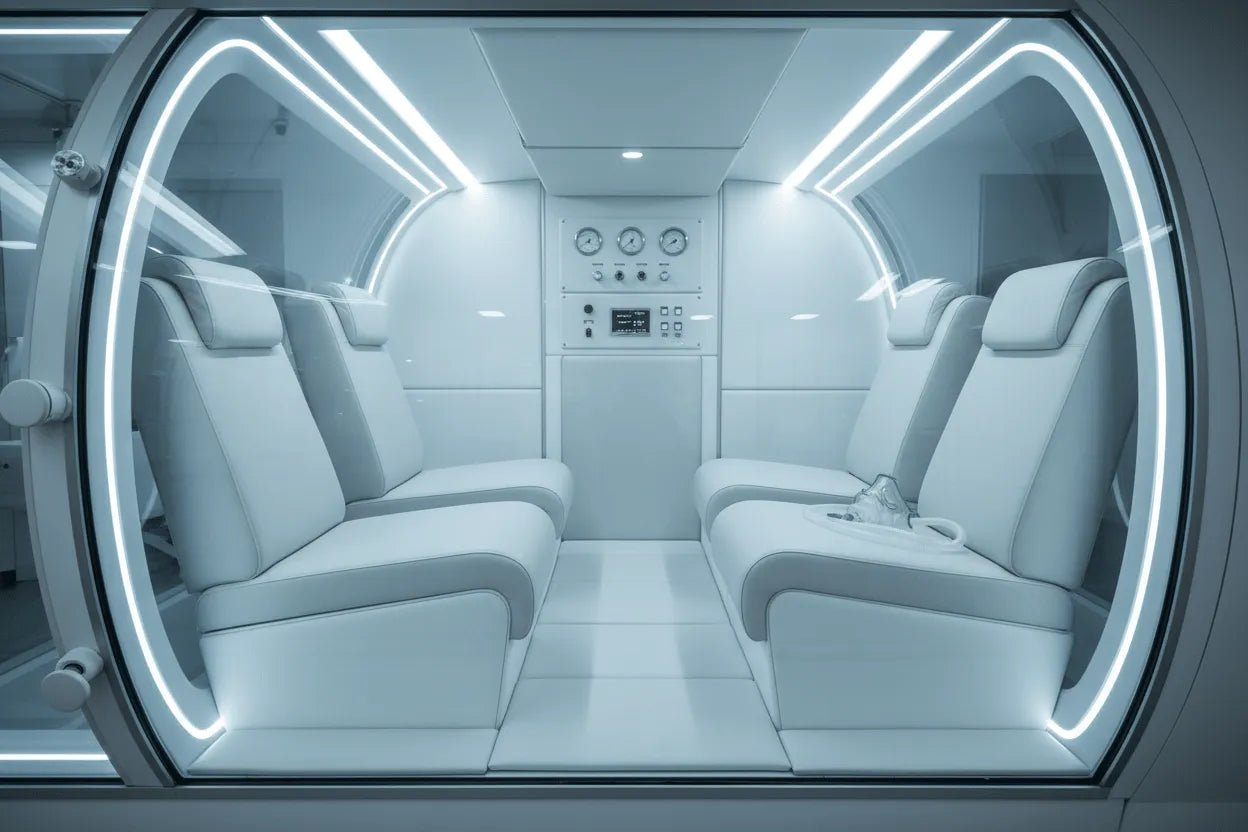
Hyperbaric Oxygen Therapy involves sitting or lying inside a hyperbaric chamber while breathing oxygen in an environment with increased atmospheric pressure. In a pressure-managed environment, oxygen may dissolve more efficiently into the bloodstream and body tissues depending on the system, pressure level, and oxygen delivery method.
HBOT is commonly discussed in wellness routines focused on:
- Recovery support
- Cognitive wellness
- Daily energy and vitality
- Circulation-focused wellness
- Healthy aging habits
- Performance recovery routines
HBOT systems vary depending on chamber type, pressure level, oxygen delivery method, construction style, safety features, and intended use.
Helpful outside resource: Cleveland Clinic — Hyperbaric Oxygen Therapy
Why Oxygen Matters for Cellular Energy and Wellness
Oxygen plays a central role in cellular energy production. The body relies on oxygen to support ATP production inside the mitochondria, which are often described as the energy-producing structures within cells.
Healthy oxygen delivery is important for:
- Brain wellness
- Recovery routines
- Physical performance
- Circulation
- Daily energy support
- General vitality
As circulation efficiency, activity levels, sleep quality, and lifestyle factors change over time, oxygen-focused wellness routines have become increasingly popular among people building long-term healthy aging habits.
HBOT and Cognitive Wellness
The brain uses a significant amount of the body’s oxygen supply. Because of this, oxygen availability and circulation are often discussed in relation to focus, clarity, attention, and cognitive wellness.
Many people exploring HBOT are interested in how oxygen-focused wellness routines may help support:
- Mental clarity
- Focus and concentration
- Recovery from mental fatigue
- Brain wellness routines
- Healthy aging habits
Researchers continue studying how oxygen delivery, circulation, and pressure-managed environments may influence neurovascular wellness and cognitive performance. For general brain wellness, lifestyle factors such as sleep, movement, nutrition, stress management, and hydration remain essential.
Helpful outside resource: Harvard Health — Protect Your Brain From Stress
HBOT and Mitochondrial Wellness
Mitochondria depend on oxygen to support cellular energy production. Because HBOT involves increased oxygen availability under pressure, many wellness-focused users discuss HBOT in connection with recovery routines, daily stamina, and vitality-focused habits.
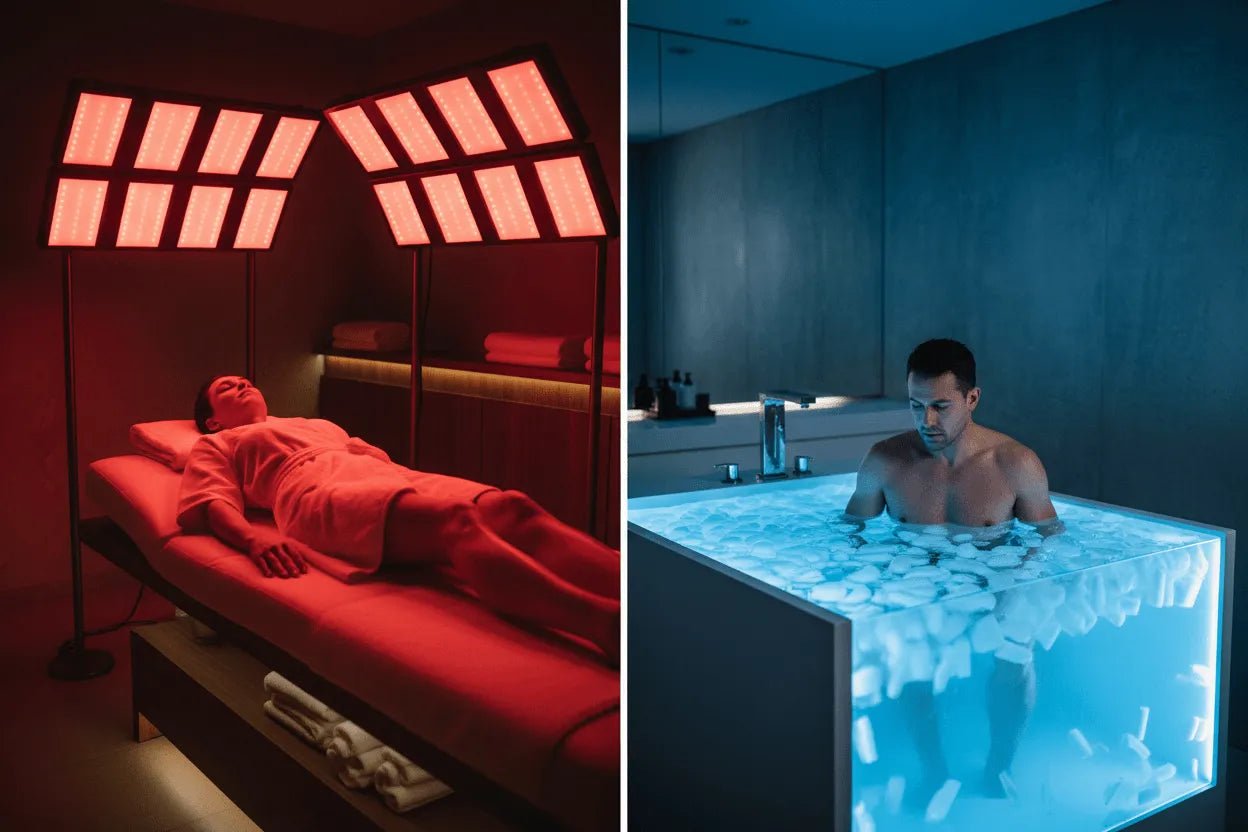
HBOT is often incorporated into broader wellness routines that may include red light therapy, infrared sauna sessions, cold plunge therapy, compression recovery, hydration, sleep optimization, and mobility work.
Explore Wellari red light therapy solutions: Red Light Therapy Solutions
HBOT and Healthy Aging Habits
Modern healthy aging conversations increasingly focus on daily function, recovery quality, circulation, movement, sleep, nutrition, and long-term vitality rather than age alone.
Supporters of HBOT often include it in routines focused on:
- Recovery optimization
- Daily energy support
- Cognitive wellness
- Healthy circulation
- Movement and physical vitality
- Longevity-focused lifestyle habits
HBOT is commonly discussed because oxygen is closely connected to energy production, circulation, and recovery-focused wellness. However, HBOT should be approached with realistic expectations and professional guidance when health-specific concerns are involved.
Circulation and Oxygen Delivery
Healthy circulation is important for delivering oxygen and nutrients throughout the body. Supporters of HBOT often focus on how oxygen-rich environments may fit into circulation-focused wellness routines.
Circulation support may be important for:
- Brain wellness
- Recovery routines
- Physical performance
- Daily energy levels
- Skin wellness
- General vitality
HBOT for Recovery and Performance Wellness
HBOT is commonly explored by athletes, active adults, and recovery-focused users as part of broader recovery routines.
Many users combine HBOT with:
- Cold plunge therapy
- Infrared sauna sessions
- Red light therapy
- Compression systems
- Stretching and mobility work
Explore Wellari recovery solutions: Recovery and Performance
Explore compression recovery systems: Compression Massage Systems
HBOT and Skin Wellness
Because oxygen is important for tissue support and circulation, HBOT is also discussed in skin wellness and healthy appearance routines.
Supporters often discuss oxygen-focused wellness practices in connection with:
- Healthy-looking skin
- Recovery-focused wellness
- Circulation support
- General vitality routines
It is important to maintain realistic expectations. HBOT is not intended to diagnose, treat, cure, or prevent disease and should not replace professional medical care.
Building a Longevity-Focused Wellness Routine
Many longevity-focused users combine HBOT with broader wellness and recovery practices. The most sustainable routines usually include several foundational habits rather than relying on one single technology.
A complete wellness routine may include:
- Strength training
- Cardiovascular exercise
- Sleep optimization
- Hydration and nutrition
- Cold plunge therapy
- Infrared sauna sessions
- Red light therapy
- Compression recovery
- HBOT sessions
Explore all Wellari wellness collections: Wellari Wellness Collections
What Happens During an HBOT Session?
During a session, the user enters a hyperbaric chamber while oxygen concentration and atmospheric pressure are adjusted according to the system and protocol being used.
Many wellness-focused sessions range between 60 and 90 minutes depending on the chamber type, pressure level, and user goals.
Some users describe HBOT sessions as relaxing and restorative. Others use the session time for reading, meditation, podcasts, breathwork, or quiet recovery routines.
How Often Should You Use HBOT?
HBOT frequency varies depending on the chamber system, recovery goals, wellness routine, comfort level, and professional guidance.
Some users include HBOT in weekly recovery routines, while others follow structured multi-session protocols. There is no universal schedule that applies to everyone.
Always follow manufacturer instructions and professional recommendations when using hyperbaric systems.
Choosing the Right Hyperbaric Chamber
When comparing hyperbaric systems, users often evaluate:
- Hard-shell vs. soft-shell chamber design
- Pressure capability
- Oxygen delivery system
- Comfort and interior size
- Safety features
- Ease of operation
- Noise levels and portability
- Home or professional space requirements
Explore Wellari hyperbaric chamber options: Hyperbaric Chambers
Safety Considerations
HBOT is not appropriate for everyone. Speak with a licensed healthcare professional before beginning hyperbaric oxygen therapy if you have respiratory conditions, cardiovascular concerns, ear or sinus issues, pregnancy, implanted devices, or other medical concerns.
Only use hyperbaric systems according to manufacturer guidance and proper safety instructions. Never exceed recommended operating parameters, and do not use a chamber as a substitute for prescribed medical care.
HBOT should not be marketed as a cure-all or as a guaranteed treatment for unapproved conditions. Wellness use should be positioned carefully, with realistic expectations and appropriate professional guidance.
Helpful outside resource: Harvard Health — Hyperbaric Oxygen Therapy: Evidence-Based Uses and Unproven Claims
Review Wellari’s wellness disclaimer: Wellari Wellness Disclaimer
FAQ: HBOT for Cognitive Wellness and Healthy Aging Habits
What is HBOT used for in wellness routines?
HBOT is commonly discussed in wellness and recovery routines focused on circulation, recovery, daily energy, cognitive wellness, and longevity-focused lifestyle habits.
Does HBOT support cognitive wellness?
Researchers continue studying how oxygen delivery and circulation may influence focus, cognitive performance, and brain wellness. Individual results vary, and HBOT should not be viewed as a guaranteed cognitive treatment.
Can HBOT be part of a healthy aging routine?
Many users include HBOT in broader wellness and healthy aging routines focused on recovery, vitality, circulation support, sleep, movement, and lifestyle consistency.
How long is a typical HBOT session?
Many sessions range between 60 and 90 minutes depending on the chamber system, pressure level, and protocol being used.
Can HBOT be combined with sauna, cold plunge, or red light therapy?
Yes. Many wellness-focused users combine HBOT with infrared sauna sessions, cold plunge routines, red light therapy, compression recovery, and mobility work as part of a broader wellness routine.
Is HBOT safe for everyone?
No. Individuals with certain respiratory, cardiovascular, ear, sinus, or medical conditions should speak with a healthcare professional before using HBOT.
Final Thoughts: HBOT and the Future of Wellness Recovery
Hyperbaric Oxygen Therapy continues gaining attention as part of modern wellness routines centered around recovery, circulation, cognitive wellness, daily stamina, and healthy aging habits.
While research continues evolving, many users are incorporating HBOT into broader wellness lifestyles that include movement, recovery, sleep optimization, sauna therapy, cold exposure, red light therapy, and compression recovery.
The key to long-term wellness remains consistency, recovery balance, realistic expectations, and building sustainable routines that support overall health and vitality.
Explore more recovery and wellness solutions at Wellari Wellness.

%20has%20become%20one%20of%20the%20most%20discussed%20wellness%20technologies%20for%20people%20focused%20on%20recovery%20routines,%20cognitive%20wellness,%20circulation%20support,%20daily%20stamina,%20and%20heal...)