The Nordic Cycle: How to Use Sauna and Cold Plunge for Vagus Nerve Stimulation
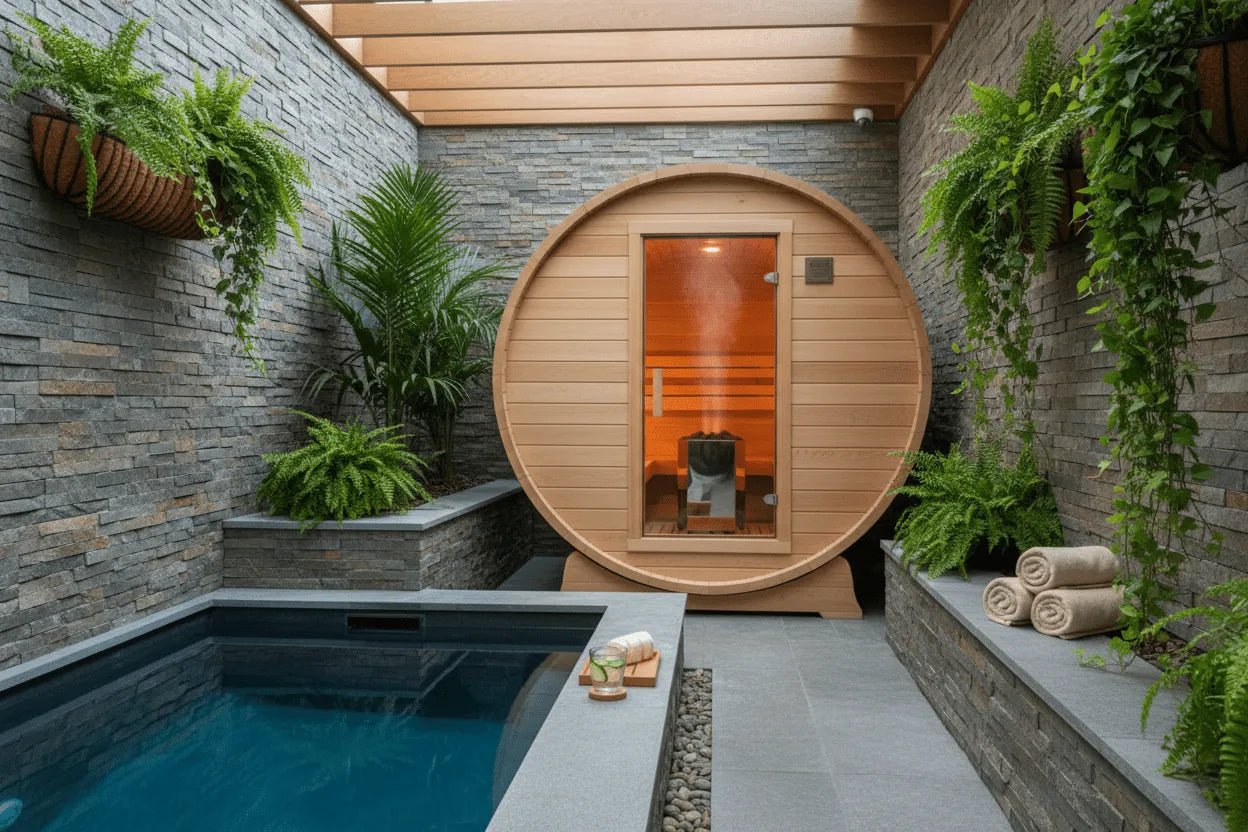
Modern wellness often focuses on quick fixes and trendy recovery routines, but the Nordic Cycle represents something more structured and practical. Rooted in Scandinavian wellness traditions, the Nordic Cycle combines sauna bathing and cold plunge immersion into a form of contrast therapy designed to challenge the body with controlled heat and cold exposure.
At the center of this practice is the vagus nerve — one of the body’s most important communication pathways between the brain, heart, lungs, and digestive system.
The Nordic Cycle is not simply about enduring heat and cold. It is a deliberate wellness practice that may help support autonomic nervous system balance, stress resilience, circulation, recovery, and relaxation when performed consistently and safely.
Helpful outside resource: Cleveland Clinic — Vagus Nerve: Function, Location & Conditions
What Is the Nordic Cycle?
The Nordic Cycle is a form of contrast therapy that alternates between heat exposure and cold immersion.
Traditionally, the cycle involves:
- 15–20 minutes inside a sauna
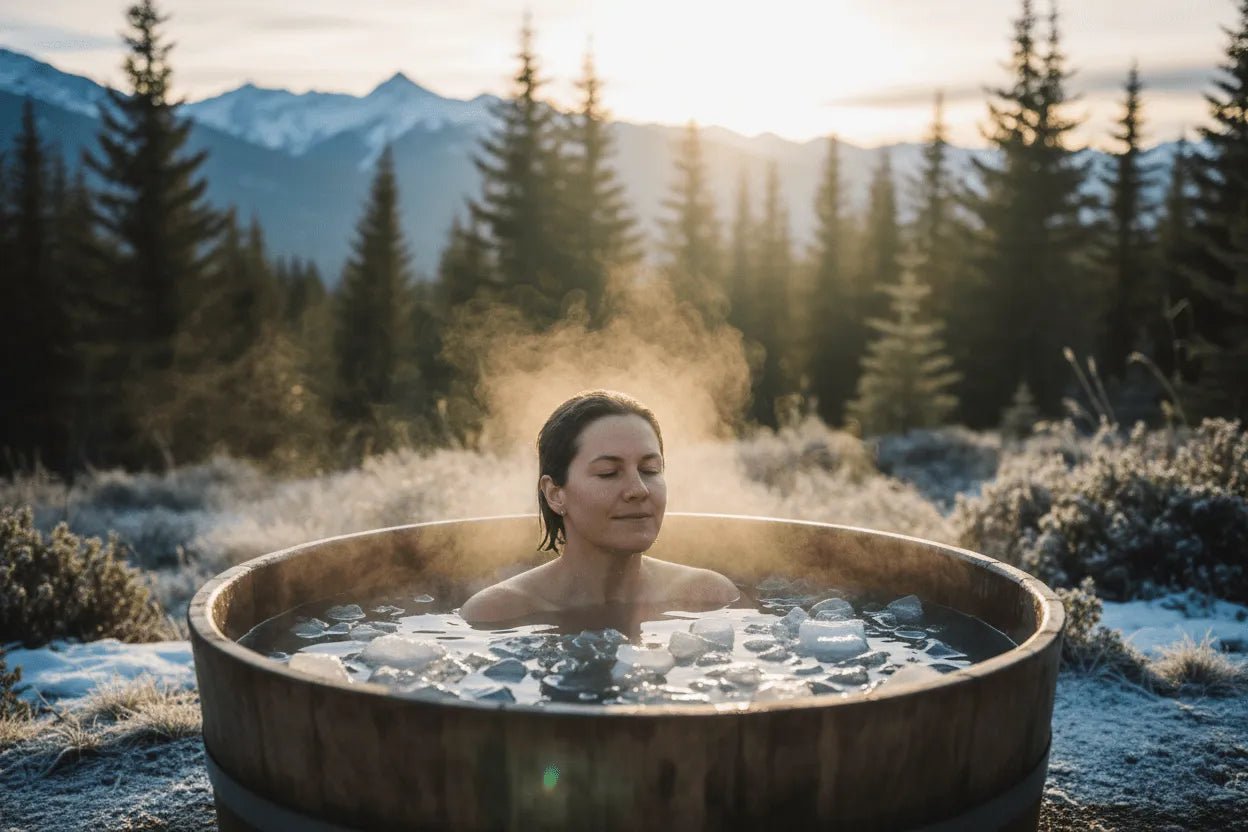
- 2–5 minutes in a cold plunge tub
- A recovery period between rounds
This practice has long been part of Scandinavian culture, where sauna bathing and cold water immersion were used to support resilience, recovery, and mental discipline during harsh northern climates.
Today, home wellness rooms and recovery spaces increasingly use the Nordic Cycle as part of a broader routine for relaxation, circulation support, and recovery.
Explore Wellari Wellness sauna systems: Saunas
Explore Wellari Wellness cold plunge systems: Cold Plunge Tubs
Understanding the Vagus Nerve
The vagus nerve is the longest cranial nerve in the body and plays a major role in the parasympathetic nervous system, often called the “rest-and-digest” system.
The vagus nerve helps regulate:
- Heart rate
- Breathing patterns
- Digestion
- Stress response
- Nervous system recovery
- Communication between the brain and major organs
Modern lifestyles often keep the body in a state of chronic stimulation. Stress, poor sleep, long work hours, excessive screen time, and overtraining may all make it harder for the nervous system to shift into a calmer recovery state.
The Nordic Cycle may help train the body to move between controlled stress and recovery more efficiently.
Helpful outside resource: Cleveland Clinic — How to Reset Your Vagus Nerve Naturally
Why Vagal Tone Matters
“Vagal tone” refers to how efficiently the vagus nerve supports parasympathetic nervous system activity and recovery after stress.
Healthy vagal tone is often associated with:
- Better stress resilience
- Improved emotional regulation
- Lower resting heart rate
- Better recovery capacity
- Improved autonomic flexibility
Contrast therapy may help train the nervous system by exposing the body to controlled environmental stressors and then allowing it to recover.
How Sauna Exposure Affects the Body
Inside the sauna, the body experiences heat stress. Core temperature rises, heart rate increases, and blood vessels begin to dilate.
Sauna bathing may help support:
- Relaxation
- Circulation
- Muscle recovery routines
- Heat adaptation
- Post-workout recovery
Many people also report a calming effect after sauna sessions, especially when sauna use is paired with quiet breathing, hydration, and a proper cooldown period.
Helpful outside resource: Harvard Health — Sauna Health Benefits: Are Saunas Healthy or Harmful?
What Happens During Cold Plunge Therapy?
When the body enters cold water, blood vessels rapidly constrict and the nervous system responds immediately to the cold stimulus.
The initial cold response may include:
- Rapid breathing
- Elevated heart rate
- Increased alertness
- Heightened focus
By focusing on slow breathing during cold exposure, many users aim to calm the nervous system and improve their ability to tolerate stress.
Cold exposure is frequently used in recovery routines because it may help support:
- Perceived muscle soreness reduction
- Post-exercise recovery routines
- Mental resilience
- Alertness
- Circulation response
Helpful outside resource: Harvard Health — Cold Plunges: Healthy or Harmful for Your Heart?
The Vascular Pump Effect
The transition between heat and cold creates rapid alternation between vasodilation and vasoconstriction.
This process is often described as a “vascular pump” effect because blood vessels repeatedly expand and contract during the contrast cycle.
This may help support:
- Healthy circulation
- Temperature regulation
- Fluid movement
- Recovery-focused wellness routines
Contrast Therapy and Stress Resilience
The Nordic Cycle functions as a controlled hormetic stressor.
Hormesis refers to exposure to manageable stress that may encourage adaptation and resilience over time.
Examples of hormetic stressors include:
- Exercise
- Sauna exposure
- Cold immersion
- Breathwork
Repeated exposure to controlled stress may help improve the body’s ability to recover and adapt more effectively.
How the Nordic Cycle May Support Recovery
Many athletes and wellness enthusiasts use contrast therapy to support recovery after training or physical stress.
Potential recovery-support benefits may include:
- Reduced perceived muscle soreness
- Improved relaxation
- Enhanced circulation response
- Support for post-exercise recovery routines
- Stress management support
Explore Wellari Wellness recovery solutions: Recovery and Performance
The Importance of Controlled Breathing
Breathing control plays a major role in nervous system regulation during cold exposure.
During the first moments of cold immersion, many people experience rapid involuntary breathing.
Focusing on slow, controlled breathing may help:
- Reduce the panic response
- Support relaxation
- Encourage parasympathetic recovery
- Improve cold tolerance over time
Many practitioners use box breathing or slow nasal breathing before and during contrast therapy sessions.
Heart Rate Variability and Recovery Tracking
Heart Rate Variability, often abbreviated as HRV, is commonly used as a wellness metric for tracking recovery and autonomic nervous system balance.
Higher HRV is generally associated with better recovery readiness and greater nervous system adaptability.
Many users track HRV trends with wearable devices to monitor how sauna, cold plunge, sleep, stress, and exercise affect recovery patterns over time.
Brown Fat Activation and Cold Exposure
Cold exposure may activate brown adipose tissue, commonly called brown fat.
Brown fat differs from white fat because it helps generate heat by burning energy.
Researchers continue studying cold exposure and brown fat activation for possible roles in thermoregulation and metabolic health.
Helpful outside resource: Harvard Health — Research Highlights Health Benefits From Cold-Water Immersions
How to Perform the Nordic Cycle Safely
Step 1: Prepare the Body
Hydrate well before beginning contrast therapy. Avoid alcohol and avoid starting when severely dehydrated, overheated, or unwell.
Step 2: Sauna Session
Spend approximately 10–20 minutes inside the sauna depending on your experience level, heat tolerance, and comfort.
Typical sauna temperatures may range between:
- Traditional sauna: approximately 170°F–190°F
- Infrared sauna: approximately 120°F–150°F
Step 3: Cold Plunge Session
Enter the cold plunge gradually and focus on controlled breathing.
Typical cold plunge temperatures often range between:
- 40°F–55°F
Cold immersion sessions commonly last:
- 1–5 minutes depending on experience and tolerance
Step 4: Recovery Phase
Allow the body to naturally rewarm between rounds. This recovery phase is important for comfort, nervous system regulation, and safety.
Who Should Avoid Sauna and Cold Plunge Contrast Therapy?
Contrast therapy is not appropriate for everyone.
Individuals with the following conditions should consult a licensed healthcare provider before beginning sauna or cold plunge routines:
- Cardiovascular disease
- Uncontrolled high blood pressure
- Pregnancy
- Neurological disorders
- Respiratory conditions
- History of fainting
- Cold sensitivity or circulation disorders
Always prioritize safety, gradual adaptation, hydration, and professional medical guidance.
Building a Home Nordic Cycle Setup
Modern home wellness systems now make it possible to build contrast therapy environments at home.
Popular home recovery combinations include:
- Infrared saunas
- Traditional saunas
- Cold plunge tubs
- Red light therapy systems
- Compression recovery systems
Explore all Wellari Wellness collections: Wellari Wellness Collections
Explore Wellari Wellness cold plunge tubs: Cold Plunge Tubs
Explore Wellari Wellness sauna systems: Saunas
Common Mistakes with Sauna and Cold Plunge Therapy
Going Too Extreme Too Quickly
Start gradually instead of immediately attempting long sauna sessions or extremely cold temperatures.
Ignoring Hydration
Sauna sessions increase sweating and fluid loss. Hydration is essential.
Skipping the Recovery Phase
The rewarming and relaxation phase is a major part of the nervous system response.
Using Cold Exposure as Punishment
Cold plunge sessions should focus on controlled adaptation, not excessive suffering.
Ignoring Medical Conditions
Always consult a healthcare provider if you have cardiovascular, neurological, respiratory, or circulation concerns.
FAQ: Sauna, Cold Plunge and Vagus Nerve Stimulation
What is the Nordic Cycle?
The Nordic Cycle is a form of contrast therapy that alternates between sauna heat exposure and cold plunge immersion.
How does cold plunge affect the vagus nerve?
Cold exposure may influence parasympathetic nervous system activity, especially when combined with slow, controlled breathing.
What are the benefits of sauna and cold plunge therapy?
Potential benefits may include recovery support, stress resilience, circulation support, relaxation, and improved cold tolerance.
How cold should a cold plunge be?
Many cold plunge routines use water between 40°F and 55°F, depending on experience level and tolerance.
How long should you stay in a sauna?
Many sauna sessions last approximately 10–20 minutes depending on heat level, hydration, and personal tolerance.
Can sauna and cold plunge improve recovery?
Many athletes and wellness users include contrast therapy in post-exercise recovery routines, but results vary by individual.
What is vagal tone?
Vagal tone refers to how efficiently the vagus nerve supports parasympathetic nervous system activity and recovery after stress.
Final Thoughts: Building Resilience Through Controlled Stress
The Nordic Cycle is more than a wellness trend. It is a structured contrast therapy practice that combines heat exposure, cold immersion, breathing control, and recovery periods into a complete nervous system training routine.
By alternating between sauna and cold plunge sessions, many people use the Nordic Cycle to support recovery, stress management, circulation, relaxation, and overall resilience.
When practiced responsibly and consistently, this type of contrast therapy may help support healthier autonomic balance and a stronger recovery response in modern high-stress lifestyles.
Explore premium recovery and wellness solutions at Wellari Wellness.