Understanding Pressurized Chambers for Brain Fog & Cognitive Wellness
Concussion symptoms can be frustrating, especially when imaging looks normal but brain fog, headaches, fatigue, poor focus, or light sensitivity continue for weeks or months. For some people, these ongoing symptoms are described as persistent post-concussion symptoms or post-concussion syndrome.
Hyperbaric oxygen therapy, often called HBOT, is being studied for its potential role in supporting oxygen delivery, vascular response, and neurological recovery pathways in certain medically supervised settings. At Wellari Wellness, we believe HBOT should be approached with education, realistic expectations, and professional medical guidance.
This article explains what HBOT is, why it is being researched for concussion-related symptoms and brain fog, what to consider before exploring hyperbaric chambers, and how to approach HBOT safely as part of a broader wellness and recovery plan.
Important: HBOT is not a cure for concussion, traumatic brain injury, post-concussion syndrome, brain fog, headaches, neurological symptoms, or any medical condition. Hyperbaric oxygen therapy should be discussed with a qualified healthcare professional, especially if you have lung disease, seizure history, ear or sinus issues, heart disease, pregnancy, implanted medical devices, uncontrolled fever, or any serious health condition.
What Is Hyperbaric Oxygen Therapy?
Hyperbaric oxygen therapy involves breathing oxygen in a pressurized chamber. Under pressure, oxygen can dissolve into the blood plasma at higher levels than normal atmospheric conditions. This is one reason HBOT has long been used in medical settings for specific approved indications.
HBOT is also being researched for additional areas, including persistent post-concussion symptoms, cognitive function, fatigue, and neurological recovery. However, not every use is FDA-approved, and consumers should be cautious with exaggerated claims.
If you are comparing chamber options, start with Wellari’s Hyperbaric Oxygen Therapy Buyer’s Guide to understand chamber types, pressure ranges, oxygen considerations, safety questions, and what to review before purchasing.
Why Concussion Symptoms Can Persist
A concussion is a mild traumatic brain injury that can affect how the brain functions. Many people recover within days or weeks, but some experience symptoms that last longer. These may include brain fog, headaches, dizziness, fatigue, sleep disruption, mood changes, visual discomfort, or difficulty concentrating.
Persistent symptoms can have many causes. Sleep quality, stress, neck injury, vestibular issues, vision problems, migraine history, inflammation, medication effects, and autonomic nervous system changes can all play a role.
Because concussion symptoms can be complex, a normal MRI does not always mean a person feels fully recovered. Standard imaging may not explain every symptom, and persistent concerns should be evaluated by a clinician familiar with concussion care.
HBOT and Concussion: What the Research Suggests
HBOT has been studied in people with prolonged post-concussion symptoms and mild traumatic brain injury. A randomized prospective trial published in PLOS ONE evaluated HBOT in patients with prolonged post-concussion syndrome after mild traumatic brain injury and reported improvements in certain cognitive and quality-of-life measures. The authors also discussed possible neuroplasticity-related mechanisms. You can review the study here: PLOS ONE: HBOT and Post-Concussion Syndrome Research.
This research is promising, but it should not be overstated. It does not mean HBOT works for every concussion patient, every type of brain fog, or every neurological symptom. It does suggest HBOT is an active area of research that may be worth discussing with a neurologist, concussion specialist, or hyperbaric medicine professional.
A Google-compliant way to describe the current evidence is this: HBOT is being studied for persistent post-concussion symptoms and may support certain recovery pathways under medical supervision, but it should not be presented as a guaranteed treatment, cure, or reversal of brain injury.
Oxygen Delivery, Brain Fog, and Cognitive Wellness
The brain has high oxygen demands. Focus, memory, attention, and processing speed all rely on healthy blood flow, oxygen availability, sleep, nutrition, stress regulation, and metabolic health.
HBOT research often focuses on several possible mechanisms:
- Increasing oxygen availability under pressure
- Supporting tissue oxygenation in certain settings
- Influencing vascular response and blood flow
- Studying effects on inflammation-related pathways
- Supporting research into neuroplasticity and recovery
These mechanisms are still being investigated. It is more accurate to say HBOT may support certain recovery processes rather than claiming it repairs, reverses, or permanently restores brain function.
HBOT, Neuroplasticity, and Recovery Research
Neuroplasticity refers to the brain’s ability to adapt, reorganize, and form new connections. After concussion or brain injury, neuroplasticity may play a role in recovery, but the process depends on many factors, including sleep, rehabilitation, nutrition, movement, stress, and medical care.
A 2024 review published in Frontiers in Neurology described HBOT as an emerging neuromodulatory modality and reviewed possible mechanisms related to brain recovery and neuroplasticity. You can read the review here: Frontiers in Neurology: HBOT as a Neuromodulatory Technique.
For compliance, this should be framed carefully. HBOT should not be described as rebuilding the brain or reversing damage. A safer statement is that HBOT is being studied for how pressurized oxygen exposure may influence recovery-related pathways in certain neurological conditions.
HBOT and Vascular Response After Brain Injury
Some HBOT research has examined blood flow, vascular response, and brain tissue changes after traumatic brain injury. Research published through PubMed Central has discussed HBOT in relation to angiogenesis and brain microstructure changes in traumatic brain injury patients. You can review that research here: PubMed Central: HBOT, Angiogenesis, and TBI Research.
Angiogenesis means the formation of new blood vessels. While this mechanism is discussed in research, consumer wellness content should avoid promising new blood vessel growth or permanent structural repair. A more responsible way to explain it is that HBOT is being studied for its potential effects on vascular and tissue-response pathways under controlled conditions.
HBOT and Inflammation-Related Pathways
Inflammation is one area researchers examine in relation to concussion and neurological recovery. After a brain injury, inflammatory signaling may play a role in symptoms for some individuals. However, inflammation is complex, and symptoms like brain fog or headaches can have many causes.
HBOT has been studied for possible effects on inflammation-related pathways, but it should not be described as “quenching neuroinflammation,” “shutting off inflammation,” or treating chronic concussion symptoms directly.
The safer and more accurate statement is: HBOT is being researched for its possible influence on oxygenation, vascular response, inflammation-related pathways, and neurological recovery markers.
Soft-Sided vs. Hard-Sided Hyperbaric Chambers
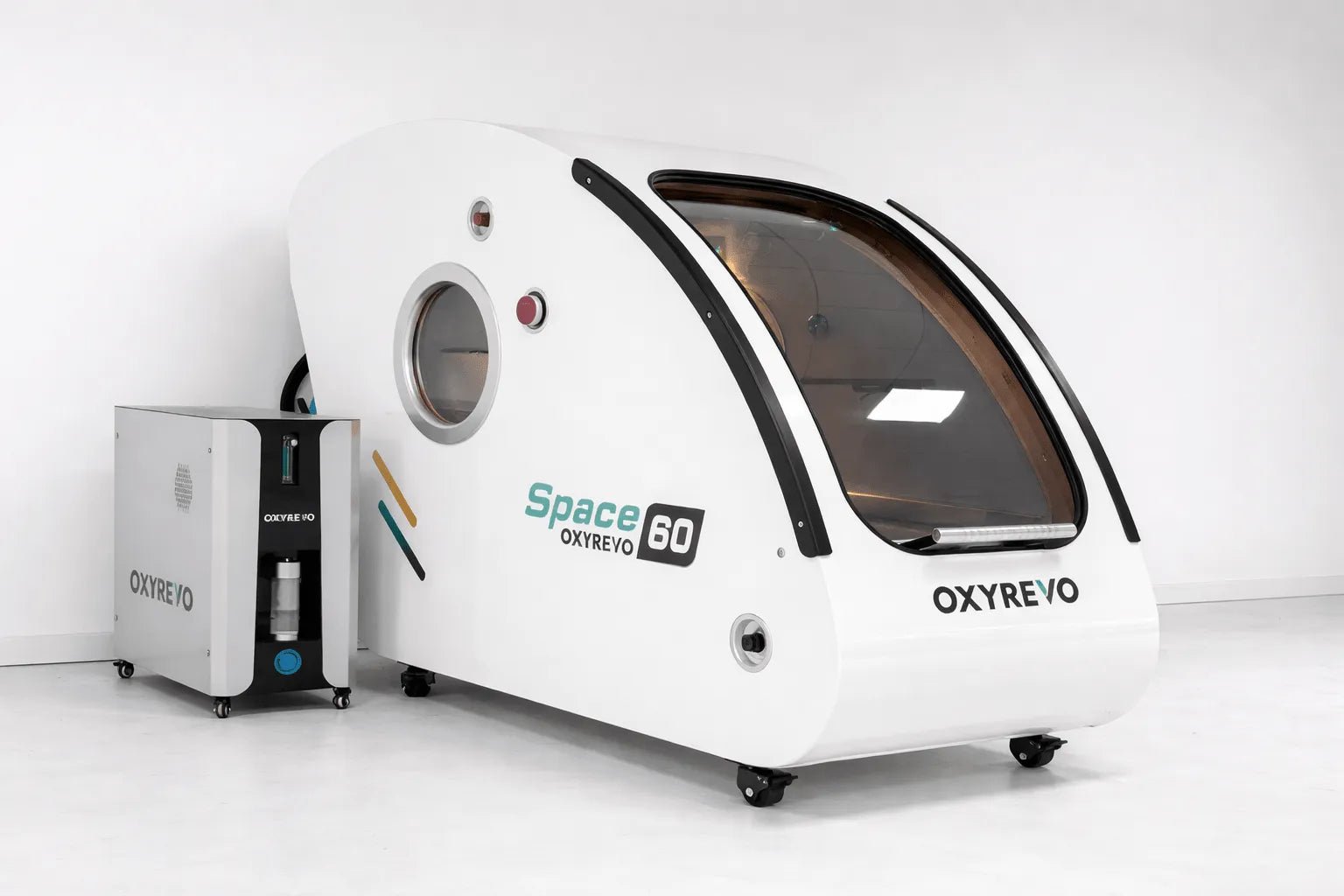
Hyperbaric chambers vary by design, pressure capability, oxygen delivery method, intended use, and clinical setting. This is one of the most important areas to understand before comparing products.
In general:
- Soft-sided chambers are often used in mild hyperbaric settings and may operate at lower pressure ranges.
- Hard-sided chambers are commonly associated with higher-pressure clinical HBOT environments.
- Home-use chambers should be selected carefully with attention to manufacturer instructions, oxygen compatibility, supervision, training, and medical guidance.
Pressure level matters, but higher pressure is not automatically better. The appropriate pressure, session duration, oxygen concentration, and session frequency depend on the person, the device, the goal, and professional guidance.
Wellari lists the two chamber types as separate collections, which makes it easier to compare like with like: soft-shell chambers and hard-shell chambers.
Explore Wellari’s hyperbaric chamber collection to compare available chamber options, or review the HBOT Buyer’s Guide before deciding what type of setup may fit your wellness goals.
What to Expect During an HBOT Session
A typical HBOT session involves entering a chamber, gradually increasing pressure, remaining inside for a set period, and then returning to normal pressure. Session length and pressure depend on the chamber, provider recommendation, and intended use.
Common experiences may include:
- Ear pressure during compression or decompression
- A need to equalize ear pressure, similar to airplane travel
- Warmth or mild temperature changes inside the chamber
- Resting, reading, or relaxing during the session if permitted
- Gradual decompression before exiting
Ear or sinus discomfort is one of the more common concerns. People with ear infections, sinus problems, recent surgery, or difficulty equalizing pressure should discuss this with a healthcare professional before HBOT.
HBOT Safety: What Consumers Should Know
HBOT involves pressure and oxygen-related safety considerations. It should not be treated like an ordinary wellness gadget.
The FDA has reminded healthcare providers and facilities to follow manufacturer instructions for HBOT devices and proper fire-prevention safety measures. The FDA also reported awareness of serious injuries and deaths associated with HBOT devices. Review the FDA safety communication here: FDA: Follow Instructions for Safe Use of Hyperbaric Oxygen Therapy Devices.
Mayo Clinic also notes that HBOT is generally considered safe when properly supervised, but risks can include ear injuries, temporary vision changes, lung collapse in rare situations, seizures from oxygen toxicity, and fire risk related to oxygen-rich environments. Review Mayo Clinic’s overview here: Mayo Clinic: Hyperbaric Oxygen Therapy Overview.
Potential HBOT risks may include:
- Ear pressure or ear injury
- Sinus discomfort
- Temporary vision changes
- Claustrophobia or anxiety inside the chamber
- Oxygen toxicity risk in certain settings
- Fire risk if oxygen safety rules are not followed
- Rare but serious pressure-related complications
For safety, follow all manufacturer instructions, avoid unauthorized modifications, keep flammable materials away from oxygen-rich environments, and only use equipment as directed.
Who Should Speak With a Doctor Before HBOT?
Anyone considering HBOT should speak with a qualified healthcare professional first. Medical guidance is especially important if you have:
- Lung disease, COPD, asthma complications, or a history of collapsed lung
- Seizure disorder or neurological risk factors
- Ear or sinus problems
- Recent ear, chest, or sinus surgery
- Heart disease or unstable cardiovascular symptoms
- Uncontrolled fever or active infection
- Pregnancy
- Implanted devices or oxygen-sensitive equipment
- Claustrophobia or severe anxiety in enclosed spaces
HBOT may be inappropriate for some individuals. A healthcare provider can help determine whether HBOT makes sense based on your medical history, symptoms, and goals.
HBOT for Home Wellness: Questions to Ask Before Buying
If you are considering a hyperbaric chamber for home wellness use, ask careful questions before purchasing.
- What pressure range does the chamber support?
- Is this a soft-sided or hard-sided chamber?
- What oxygen delivery method is used?
- What safety documentation or certifications are available?
- What training is provided?
- What maintenance is required?
- What are the manufacturer’s oxygen and fire safety instructions?
- Should my physician review this chamber before I use it?
For a deeper buying overview, visit Wellari’s Hyperbaric Oxygen Therapy Buyer’s Guide.
Building a Broader Concussion Recovery and Home Wellness Plan
HBOT should not be viewed as a standalone solution for concussion or brain fog. Many people with persistent symptoms need a broader plan that may include medical evaluation, vestibular therapy, vision therapy, sleep support, nutrition, gradual activity, stress management, and supervised rehabilitation.
For home wellness planning, these Wellari resources may help you compare recovery-support tools and educational guides:
- Shop All Hyperbaric Chambers
- Hyperbaric Oxygen Therapy Buyer’s Guide
- Red Light & Near-Infrared Buyer’s Guide
- Saunas for Relaxation & Wellness Support
- Shop All Cold Therapy
- Design Your Dream Home Wellness Room: A Complete Guide
Authority Resources on HBOT, Concussion, and Safety
For readers who want to review research and safety information directly, these outside resources may help:
- FDA: Safe Use of Hyperbaric Oxygen Therapy Devices
- PLOS ONE: HBOT and Post-Concussion Syndrome Research
- Frontiers in Neurology: HBOT as a Neuromodulatory Technique
- Mayo Clinic: Hyperbaric Oxygen Therapy Risks and Overview
FAQ: HBOT, Concussion, Brain Fog, and Recovery
Can HBOT cure a concussion?
No. HBOT should not be described as a cure for concussion or traumatic brain injury. It is being studied for persistent post-concussion symptoms in certain settings, but concussion care should be guided by a qualified healthcare professional.
Can HBOT help with brain fog after concussion?
Some studies have explored HBOT for cognitive symptoms after mild traumatic brain injury, including attention, memory, and quality-of-life measures. Results vary, and HBOT should not be presented as guaranteed brain fog treatment.
Is HBOT FDA-approved for post-concussion syndrome?
HBOT has FDA-cleared uses for certain medical indications, but not every use is FDA-approved. If you are considering HBOT for post-concussion symptoms, speak with a clinician familiar with concussion care and hyperbaric medicine.
Is a home hyperbaric chamber the same as clinical HBOT?
Not always. Home chambers may differ from clinical chambers in pressure level, oxygen delivery, supervision, intended use, and safety requirements. Compare specifications carefully and seek medical guidance before use.
What are common HBOT side effects?
Common concerns may include ear pressure, sinus discomfort, temporary vision changes, fatigue, or claustrophobia. More serious risks are possible, especially if equipment is used incorrectly or without proper safety precautions.
Who should avoid HBOT?
HBOT may not be appropriate for people with certain lung conditions, untreated pneumothorax, seizure risk, severe ear or sinus problems, pregnancy, unstable heart symptoms, or other medical concerns. Always consult a healthcare professional before starting HBOT.
How many HBOT sessions are needed?
Session count varies based on the setting, goal, protocol, and medical guidance. Some studies have used structured multi-session protocols, but the right approach should be determined by a qualified professional.
Where can I compare hyperbaric chambers?
You can explore Wellari’s hyperbaric chamber collection and review the Hyperbaric Oxygen Therapy Buyer’s Guide for buying considerations.
Final Takeaway
HBOT is a serious technology with established medical uses and emerging research in areas such as persistent post-concussion symptoms, brain fog, and neurological recovery pathways. The research is promising in some areas, but HBOT should not be promoted as a guaranteed cure, reversal of brain injury, or replacement for medical care.
The safest path is to get medical guidance, understand chamber differences, follow manufacturer instructions, and set realistic expectations. If you are researching home options, start with Wellari’s HBOT Buyer’s Guide and compare available options in the Hyperbaric Chamber Collection.
Medical disclaimer: This article is for educational purposes only and is not medical advice. Wellari Wellness products are intended for general wellness use only and are not intended to diagnose, treat, cure, or prevent any disease. Hyperbaric oxygen therapy should be discussed with a qualified healthcare professional before use, especially if you have any medical condition or are considering HBOT for concussion, post-concussion syndrome, brain fog, chronic headaches, fatigue, or neurological symptoms.