
Cold Plunge for Stress: What Research Says About Your Nervous System
Cold plunging has quickly become one of the most talked-about wellness practices for stress, recovery, and mental resilience. But beyond the trend, what does science actually say about how cold exposure affects your nervous system?
Emerging research suggests cold water immersion may support stress resilience, mood, and overall well-being in some individuals. One key concept behind this is neurohormesis—a process where controlled stress may help the body adapt and become more resilient over time.
If you're exploring cold therapy options, start here:
What Is Neurohormesis?
Neurohormesis refers to the idea that small, controlled stressors—like cold exposure—may trigger adaptive responses in the brain and nervous system.
A 2024 review published in the Journal of Neuropsychiatry explains that cold-water immersion can act as a hormetic stressor, meaning short-term stress may stimulate beneficial neurological and physiological responses when applied appropriately.
Source: Psychiatry Online – Cold-Water Immersion, Neurohormesis, and Mental Health
However, the same research also notes that excessive or prolonged exposure may have negative effects, reinforcing the importance of controlled use. :contentReference[oaicite:0]{index=0}
How Cold Plunges Affect the Nervous System
When you enter cold water, your body immediately activates a stress response. Heart rate increases, breathing changes, and alertness rises.
With repeated exposure, some research suggests the body may become more efficient at returning to a calm baseline after stress. This process may support nervous system regulation over time.
Cold exposure has also been linked to changes in neurotransmitters such as norepinephrine and endorphins, which are involved in mood, alertness, and stress response. :contentReference[oaicite:1]{index=1}
What Research Suggests About Stress & Well-Being
Current research is promising but still developing. A 2025 systematic review found that cold-water immersion may influence stress, sleep quality, and overall well-being, though effects were time-dependent and varied between individuals. :contentReference[oaicite:2]{index=2}
Other studies have shown that short-term cold exposure may increase positive feelings such as alertness and reduce negative mood states in some participants. :contentReference[oaicite:3]{index=3}
Importantly, most experts agree that cold plunging should be viewed as a supportive wellness practice, not a medical treatment.
Why People Use Cold Plunges for Stress
Many individuals incorporate cold plunges into daily routines because they:
- Create a structured mental reset
- Encourage controlled breathing and focus
- Introduce a short, intentional challenge
- Support consistency in wellness habits
These effects are highly individual, but they help explain why cold plunging continues to grow in popularity.
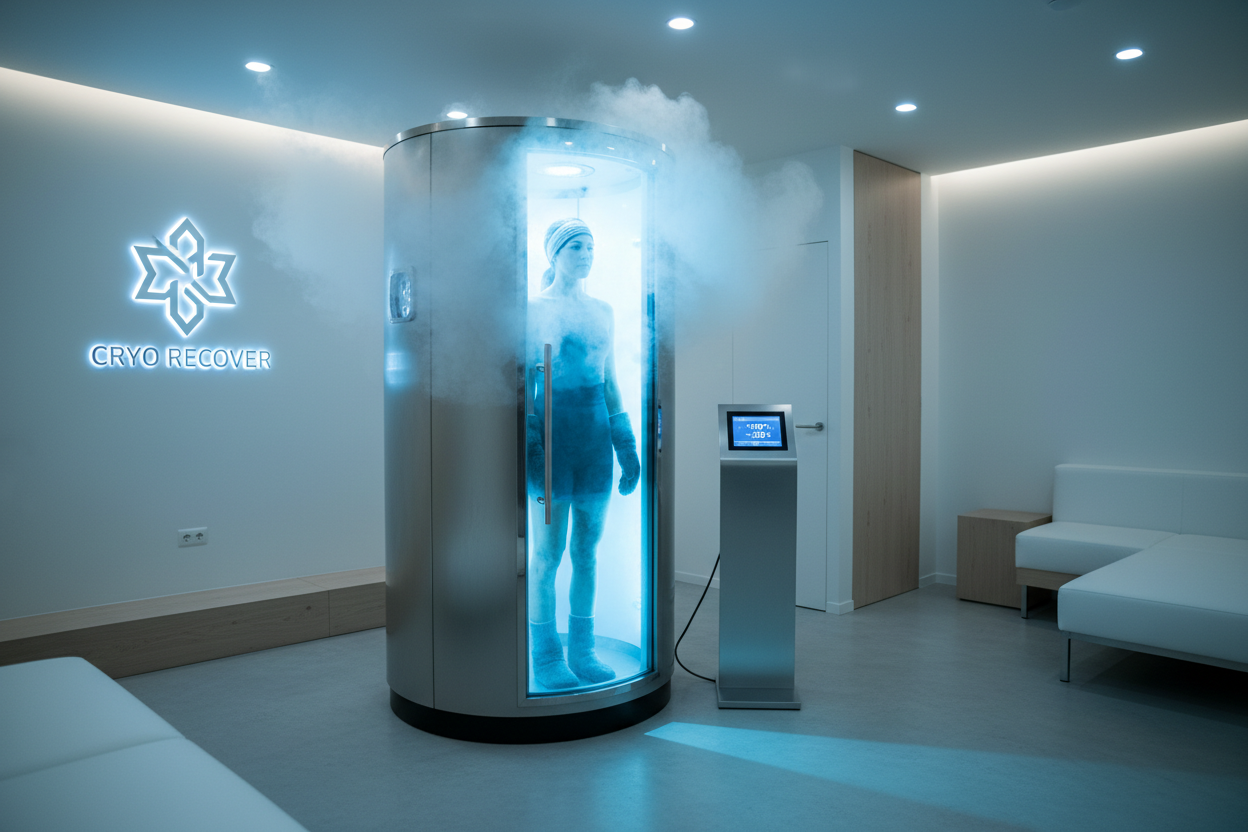
Cold Plunge vs. Cryotherapy
Both options offer cold exposure, but in different formats:
| Feature | Cold Plunge | Cryotherapy |
|---|---|---|
| Cold Type | Water immersion | Dry cold air |
| Experience | Gradual and immersive | Fast and intense |
| Session Length | Often several minutes | 2–4 minutes |
Explore both:
Read full comparison:
Cryotherapy vs Ice Baths Guide
How to Start Safely
- Start with short sessions
- Focus on controlled breathing
- Avoid plunging alone if inexperienced
- Exit immediately if uncomfortable
Cold exposure is not appropriate for everyone. Individuals with cardiovascular or medical conditions should consult a healthcare professional before starting.
Frequently Asked Questions
Do cold plunges help with stress?
Cold plunges may support stress resilience and recovery in some individuals, but results vary.
What is neurohormesis?
Neurohormesis is the concept that small doses of stress—like cold exposure—may help the body adapt and become more resilient.
How long should a cold plunge last?
Session length depends on experience and temperature. Beginners should start short and increase gradually.
Is cold plunging better than cryotherapy?
They are different. Cold plunges use water immersion, while cryotherapy uses dry cold air.
Can cold plunges replace therapy?
No. Cold plunging should be used as a wellness practice, not a replacement for medical or mental health care.
Final Thoughts
Cold plunging offers a unique form of controlled stress that may help support resilience, focus, and overall well-being. Through mechanisms like neurohormesis, it provides a structured way to challenge and potentially strengthen the body's stress response.
For many people, the value is not a single session—but consistent use as part of a broader wellness routine.
Explore your options:
References
- Psychiatry Online: Cold-Water Immersion & Neurohormesis
- PLOS One: Cold Water Immersion & Wellbeing
- NIH: Cold Water & Mood Effects
- Stanford: Cold Water & Mental Health
- PubMed: Cold Water Immersion & Stress
Disclaimer: This content is for informational purposes only and does not constitute medical advice. Always consult a qualified healthcare professional before starting any wellness routine.